By Doctor April 5, 2026
Vanilla is one of the world’s most popular and valuable spices, cherished for its rich aroma, sweet flavor, and remarkable versatility. It is widely used in baking, desserts, beverages, perfumes, cosmetics, and even pharmaceutical products. Despite its global popularity, many people are surprised to learn that vanilla does not come from a tree or shrub—it comes from the fruit of a tropical orchid.
Natural vanilla requires years of cultivation, careful hand pollination, and a lengthy curing process before it develops the distinctive aroma recognized worldwide. These labor-intensive steps make vanilla one of the most expensive spices after saffron.
This guide explains what vanilla is, where it comes from, how vanilla beans are produced, and why natural vanilla remains highly valued across the food industry.
What is Vanilla?
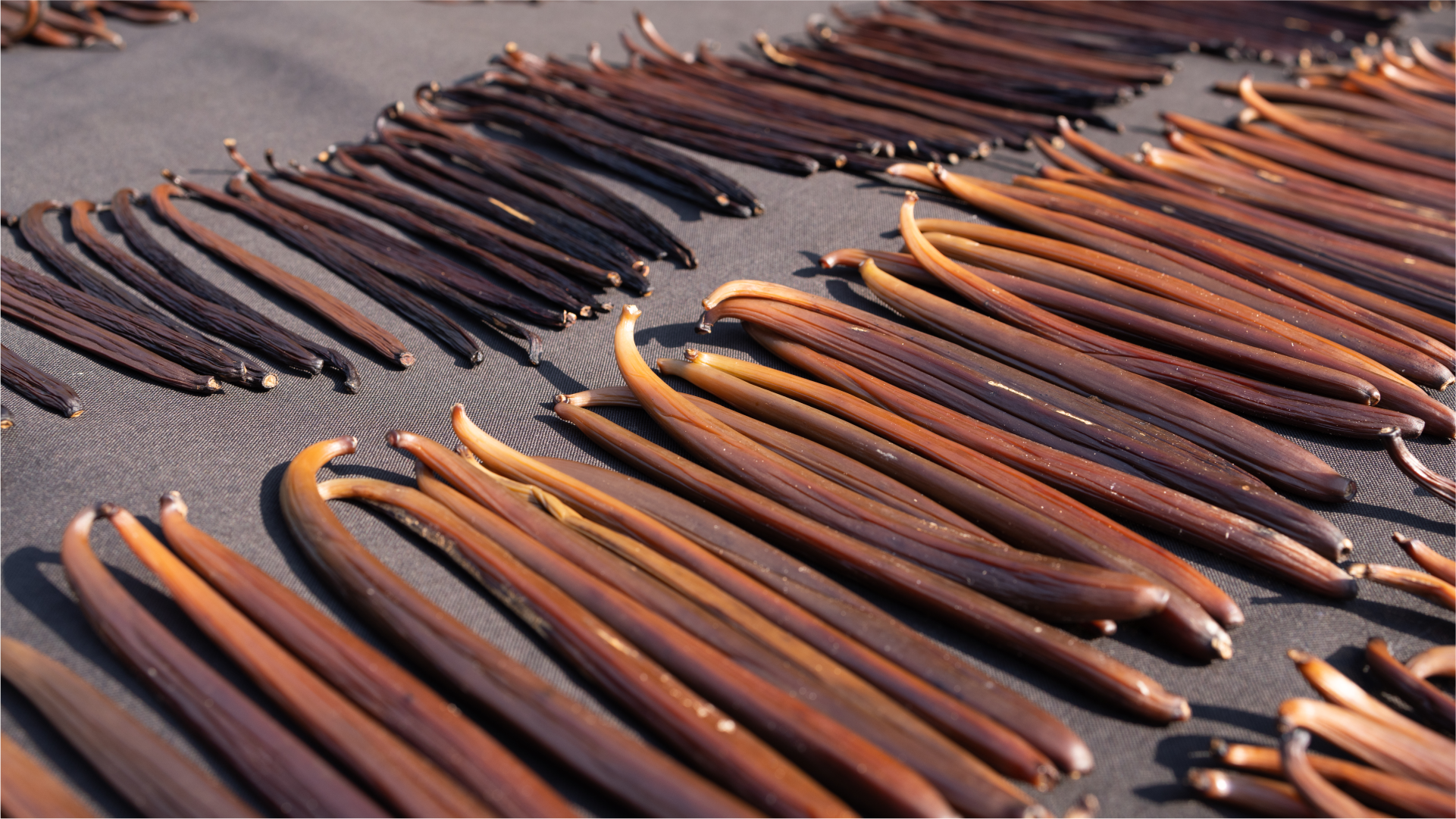
Vanilla is a spice obtained from the cured seed pods, commonly called vanilla beans, of orchids belonging to the Vanilla genus. The most commercially important species is Vanilla planifolia, which produces beans with a rich, creamy, and sweet flavor profile.
Unlike artificial vanilla flavoring, natural vanilla contains hundreds of aromatic compounds that create a complex taste and fragrance. The primary flavor compound is vanillin, but more than 200 additional natural compounds contribute to vanilla’s unique character.
Where Does Vanilla Come From?
Vanilla originated in Mexico, where it was first cultivated by indigenous communities centuries ago. Today, vanilla is grown in many tropical regions with warm temperatures, high humidity, and sufficient rainfall.
Major vanilla-producing countries include:
- Indonesia
- Madagascar
- Uganda
- Papua New Guinea
- India
- Mexico
Indonesia is one of the world’s largest producers of vanilla beans and is recognized for beans with distinctive woody, smoky, and chocolate-like flavor characteristics.
How Vanilla Beans Grow
Vanilla grows on climbing orchids that require support trees or trellises. Unlike many commercial crops, vanilla flowers bloom for only one day.
Outside Mexico, natural pollinators are absent, so each flower must be hand-pollinated by skilled farmers. This delicate process significantly increases production costs and requires considerable expertise.
Once pollinated, vanilla pods mature over approximately eight to nine months before harvesting.
The Vanilla Curing Process
Freshly harvested vanilla pods have little aroma. Their signature fragrance develops only after a careful curing process.
The curing process generally includes:
Harvesting
Beans are picked only when they reach optimal maturity.
Killing
Heat treatment stops further growth and initiates enzymatic reactions.
Sweating
Pods are wrapped and kept warm to encourage flavor development.
Drying
Beans are gradually dried under controlled conditions until the desired moisture content is achieved.
Conditioning
The beans are stored for several months, allowing their aroma to fully mature.
Proper curing determines the final quality, appearance, flexibility, and aroma of vanilla beans.
Types of Vanilla Beans
Several vanilla species are commercially available.
Vanilla Planifolia
The most common species worldwide, known for its rich and creamy flavor.
Vanilla Tahitensis
Produces floral, fruity, and delicate aromas, often preferred for desserts and perfumes.
Vanilla Pompona
Features larger beans with a milder and more floral flavor profile.
Why is Vanilla So Expensive?
Natural vanilla production is highly labor-intensive.
Several factors contribute to its premium price:
- Manual pollination of every flower
- Long growing cycle
- Extended curing period
- Weather risks
- Limited production regions
- High global demand
These challenges make natural vanilla significantly more valuable than synthetic alternatives.
Uses of Vanilla
Natural vanilla is widely used across various industries.
Food and Beverage
- Ice cream
- Cakes
- Chocolate
- Coffee
- Dairy products
- Beverages
Baking
Professional bakers use vanilla beans and vanilla extract to create premium desserts with authentic flavor.
Cosmetics
Vanilla is commonly used in perfumes, lotions, soaps, and skincare products because of its pleasant fragrance.
Pharmaceuticals
Some medicines and nutritional products use vanilla as a natural flavoring ingredient.
Indonesian Vanilla Beans
Indonesia has become one of the leading suppliers of premium vanilla beans for international markets.
Indonesian vanilla is appreciated for:
- High vanillin content
- Rich aroma
- Flexible bean texture
- Excellent suitability for food manufacturing
- Competitive pricing
- Reliable export supply
These characteristics make Indonesian vanilla a preferred choice for manufacturers, wholesalers, and importers worldwide.
How to Choose High-Quality Vanilla Beans
When purchasing vanilla beans, look for:
- Dark brown to black color
- Oily surface
- Soft and flexible texture
- Strong natural aroma
- No mold
- Uniform size
- Proper moisture content
Premium-grade beans generally offer better flavor extraction and longer shelf life.
Frequently Asked Questions
What is vanilla made from?
Vanilla comes from the cured seed pods of orchids belonging to the Vanilla genus.
Why are vanilla beans expensive?
Because they require hand pollination, long growing periods, and several months of curing before they are ready for sale.
Which country produces the best vanilla?
Madagascar and Indonesia are among the world’s leading producers of premium natural vanilla beans.
Is natural vanilla better than artificial vanilla?
Natural vanilla contains hundreds of flavor compounds, providing a richer and more complex taste than artificial vanilla flavoring.
How long do vanilla beans last?
When stored properly in a cool, dry place, high-quality vanilla beans can remain fresh and aromatic for one to two years.
Looking for Premium Indonesian Vanilla Beans?
Doctor Vanilla is a trusted supplier of premium Indonesian vanilla beans for importers, food manufacturers, wholesalers, and distributors worldwide.
Whether you need Grade A Gourmet Vanilla Beans, Grade B Extraction Beans, or customized export packaging, our team is ready to support your business with consistent quality and reliable international shipping.
Contact us today to request a quotation, product specifications, or a free consultation about your vanilla sourcing needs.